
Payment Radar
From Paper Binders to Secure Payments: How Hotels Eliminated Chargebacks
Explain the supplied demonstration to ordinary business owners without adding unsourced claims.
 Payment RadarOriginal source: NapaPay · linked publisher media; native reuse rights require confirmation
What changed
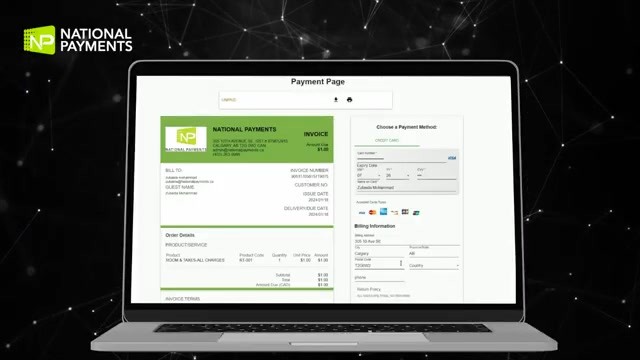
The shift involved moving away from physical binders and paper authorization forms to a digital system that handles verification automatically. The new approach utilizes '3DS verification' which sends users a one-time passcode, ensuring the person making the transaction is who they claim to be. This eliminates the need for guests to send copies of their cards or fill out lengthy paper documents. Instead of sending links back and forth with missing information, operators can now 'send the link and boom,' completing the process immediately. The system also features automatic settlement capabilities where payments are automatically sent to accounting departments, ensuring no transactions are forgotten.
Why a business should care
The adoption of secure digital verification is critical because it fundamentally alters the risk profile and operational efficiency of hotel payments. Operators reported that since starting with this system, they have 'never gotten a charge back' due to fraud or stolen card usage. The financial impact includes saving time and money by removing manual processing steps while simultaneously increasing safety for guests. The ability to create client profiles allows businesses to build trust histories, knowing which clients can be trusted further based on past validated transactions. Ultimately, the shift ensures that 'the actual person is the actual person,' providing a level of security that paper binders could never offer.
Who it affects
This change primarily impacts hotel operators and their accounting departments who previously managed high volumes of manual authorization forms. Staff members were burdened by the 'back and forth' communication required when guests failed to fill out paper forms correctly or returned them with missing data. The transition also affects corporate accounts where multiple transactions occur, as well as bookings made through third-party platforms like Expedia or HotelBets. Guests are directly affected by a smoother experience that removes the need to photograph cards for security purposes.
What to consider doing
Businesses should transition from manual data entry and physical storage of sensitive card images to automated digital verification platforms. By implementing a solution that validates ID details against credit card information in real-time, organizations can prevent fraud before it occurs. The process involves sending a secure link to the guest for authentication rather than collecting raw data via email or mail. This allows staff to track payments faster through search functions compared to navigating complex Property Management Systems (PMS). For guests booking through third-party sites without credit cards on file, specific validation links can be sent to ensure all details are authenticated before arrival.
Operator-supplied source
Comments