
Payment Radar
Walmart Expands Digital Wallet Acceptance to Lower Interchange Costs
Walmart's expansion of digital wallet acceptance (Apple Pay, Google Pay, Samsung Pay, Garmin Pay) to its U.S. stores and gas stations, and its strategic use of alternative payment methods to lower interchange fees.
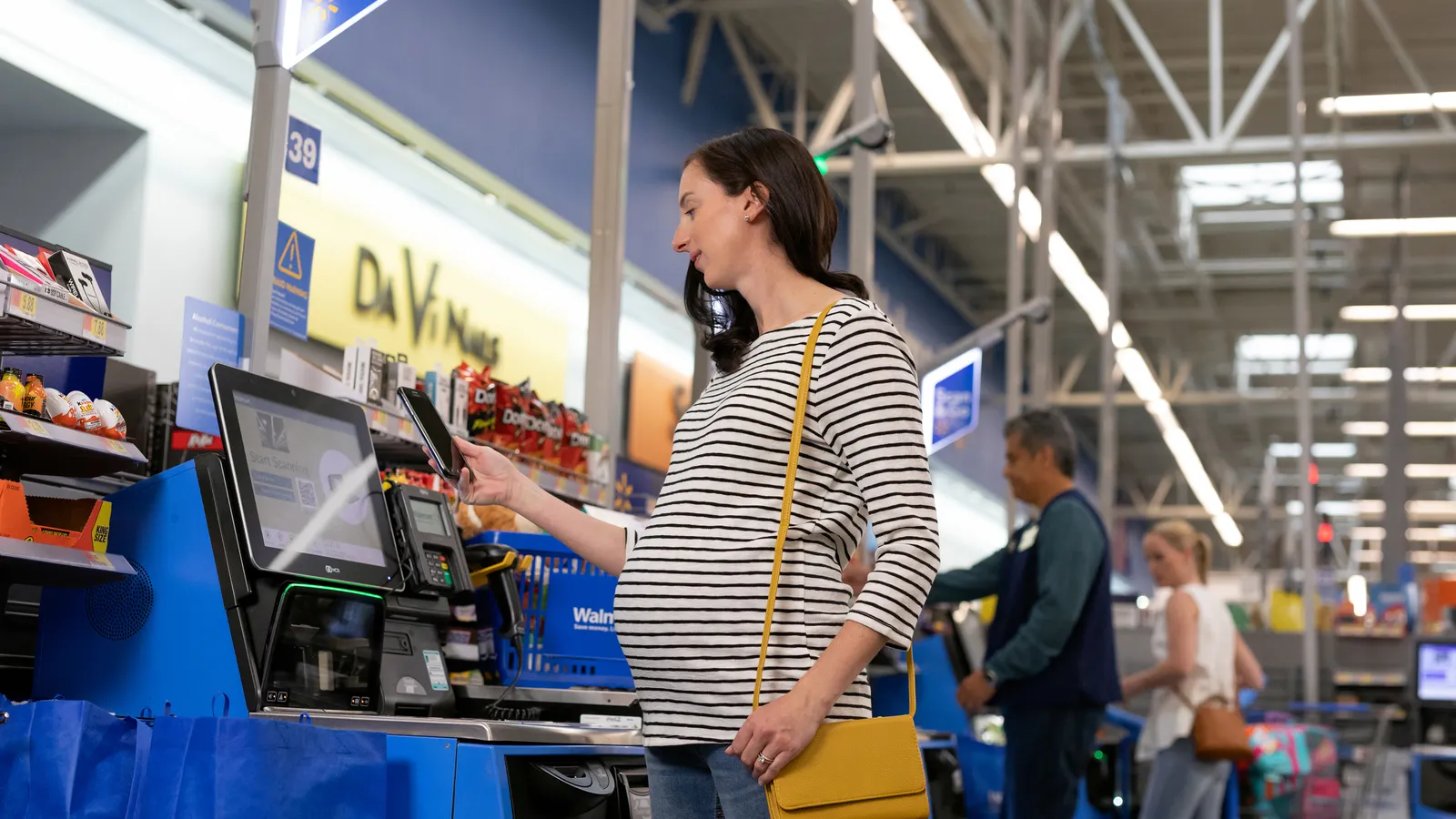 Payment RadarOriginal source: Payments Dive · linked publisher media; native reuse rights require confirmation
What changed
Walmart is expanding its acceptance of digital wallets, including Apple Pay, Google Pay, Samsung Pay, and Garmin Pay, across its U.S. retail and gas station locations. The rollout began at some stores in August 2026, with plans to cover all ~4,600 U.S. stores by the end of 2026 and gas stations in 2027. This expansion is part of a broader strategy to lower interchange fees, which are the wholesale fees paid by a merchant’s acquirer to the cardholder’s issuing bank on each card transaction, set by the card network. By shifting more transactions to digital wallets, Walmart aims to reduce the high interchange fees it pays on traditional credit and debit card transactions. This move signals a strategic shift in how major retailers manage payment processing costs and optimize checkout experiences.
Why a business should care
Walmart’s push to accept more digital wallets and alternative payment methods highlights the ongoing pressure on merchants to manage payment processing costs. For businesses, this underscores the potential benefits of adopting diverse payment options, including digital wallets and alternative financing, to control expenses and meet evolving customer expectations. As a major retailer, Walmart’s actions often set industry trends, and its focus on cost reduction through alternative payment methods may encourage other merchants to follow suit. This shift could impact how consumers expect to pay, making it essential for businesses to stay competitive by offering flexible payment solutions.
Who it affects
This change primarily affects U.S. merchants, retailers, and payment processors. Retailers may face increased pressure to adopt digital wallet acceptance to remain competitive, while payment processors might need to adapt their services to support a wider range of payment methods. Merchants who do not keep pace with these changes risk losing customers who prefer contactless and digital payment options.
What to consider doing
Merchants should pull their current payment acceptance reports to identify which digital wallets are currently supported and which are missing. This specific document will reveal gaps in your payment infrastructure and help you prioritize integrations that align with customer demand and cost-saving opportunities.
Uncertainty and risks
None identified. The assessment does not highlight any immediate risks or uncertainties associated with this change. However, merchants should remain aware that payment processing costs and customer preferences may continue to evolve, requiring ongoing adaptation to stay competitive.
Comments