
Payment Radar
NMI Research: Consumers Resist AI Autonomy in Payments, Prioritizing Control and Security
NMI research reveals a significant disconnect between industry efforts in agentic commerce and consumer readiness, with only 11% of U.S. consumers having used AI to complete a transaction.
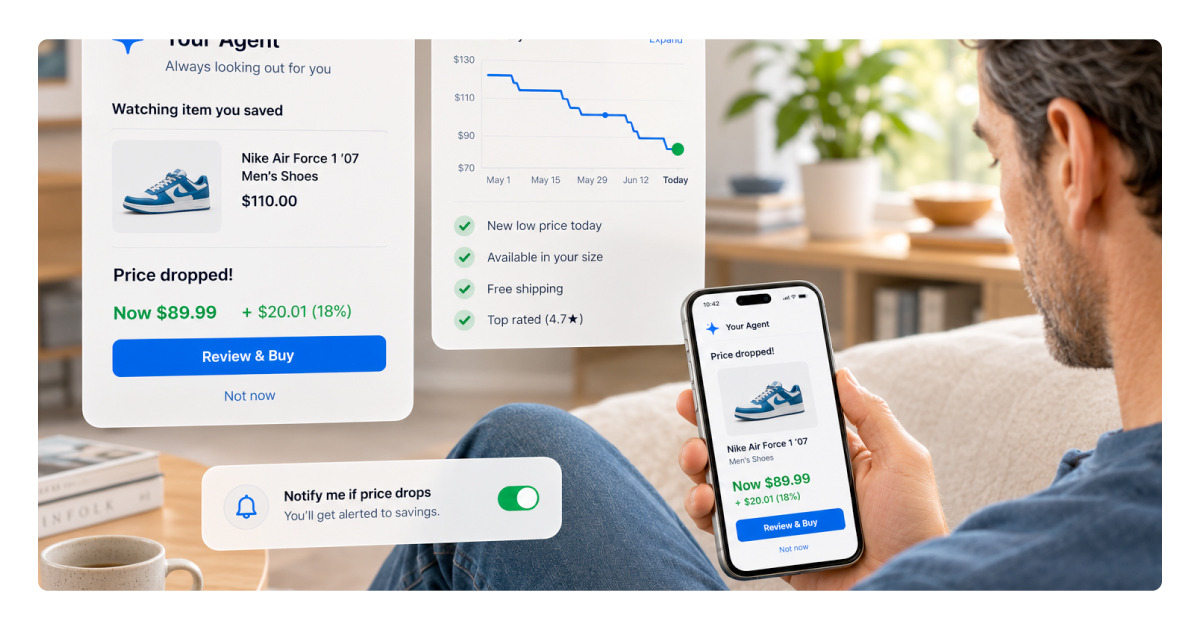 Payment RadarOriginal source: NMI · linked publisher media; native reuse rights require confirmation
What changed
A recent research report from NMI highlights a significant gap between industry enthusiasm for AI-driven commerce and actual consumer readiness. While the payments sector explores autonomous purchasing agents, the data shows that only 11% of U.S. consumers have used AI to complete a transaction. The primary shift is in understanding market readiness: consumers are open to AI for research and friction reduction but strongly resist handing over final payment decisions to algorithms.
Why a business should care
Deploying AI agents that make autonomous purchasing decisions without robust consumer oversight creates direct operational and reputational risks. The research indicates that 34% of consumers would blame retailers and 24% would blame payments providers for AI errors. With 69% of consumers not trusting AI to process payments securely, ignoring these preferences could lead to low adoption, high error rates, and significant liability exposure.
Who it affects
This dynamic directly impacts merchants, payments providers, retailers, and e-commerce platforms looking to integrate AI into their checkout flows. Any business planning to use AI for discovery, search, or payment processing must account for these consumer expectations.
What to consider doing
Do not rush to implement fully autonomous AI purchasing agents. Instead, focus on AI tools that assist with discovery and friction reduction while maintaining human oversight for the final payment step. Implement clear UI/UX for consumer review and override of AI suggestions, as 70% of consumers require this capability. Merchants must also prepare for potential liability issues by ensuring robust fraud detection and clear terms of service regarding AI interactions.
Uncertainty and risks
The primary risk is reputational damage and liability from AI errors. Low consumer trust currently hinders the adoption of AI features, and unauthorized purchases made by AI could lead to chargebacks or disputes. Until consumer trust and security measures improve, full autonomy remains a high-risk strategy.
Comments